
American Beauty
The thrill of finding people and connection while exploring archives. Discovering the beauty in how people can express their love for a band.

Much Quality is a space for us to share our love of things lost and found, crafted and trashed, collected and ignored. We are Gayla Trail and Davin Risk — artists, designers, writers, collectors, curious folk.
We are both physical ephemera enthusiasts that have a love for digging through boxes, exploring cultural wastelands, and finding things of personal if not inherent value.
While tactile digging is mostly our thing, we have both also been digital culture diggers looking on the nascent web since way back when.
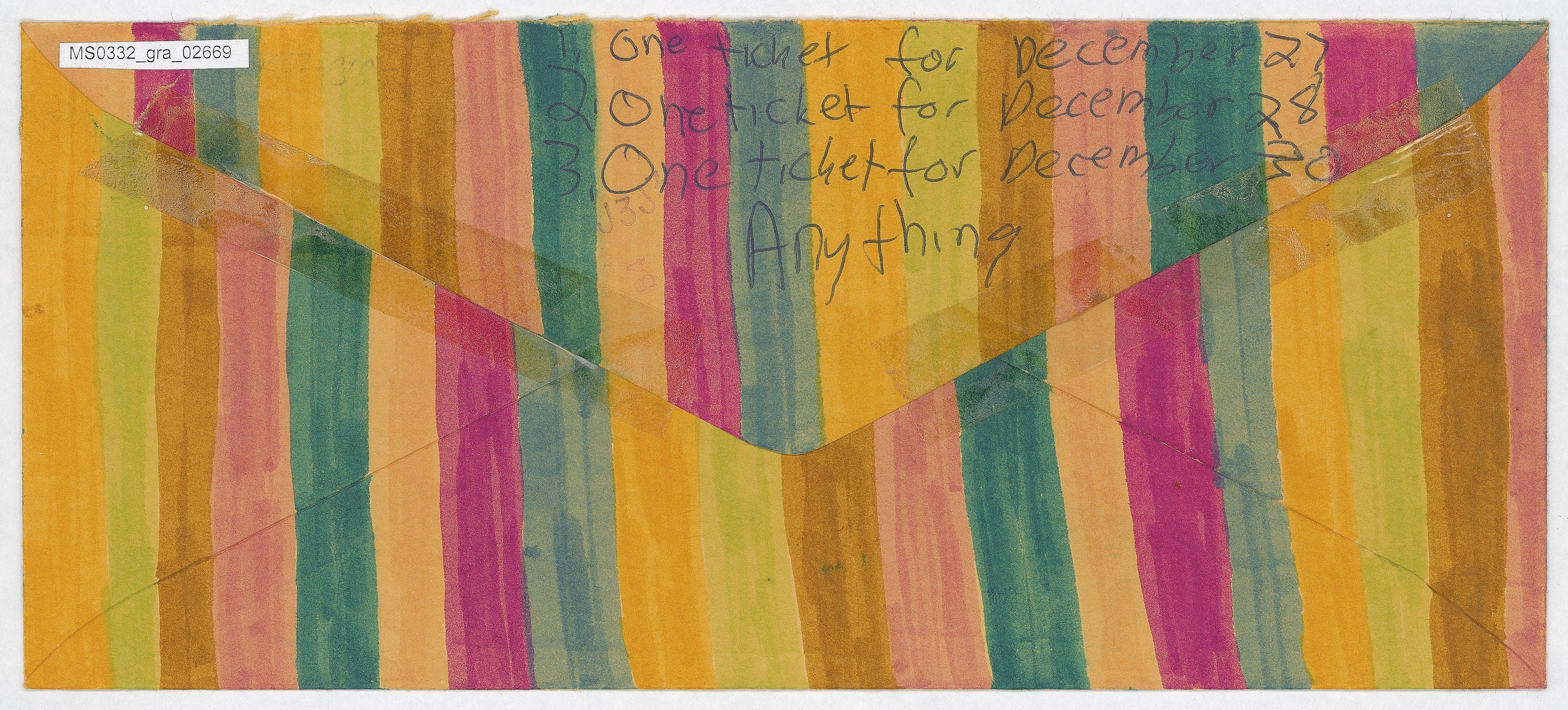
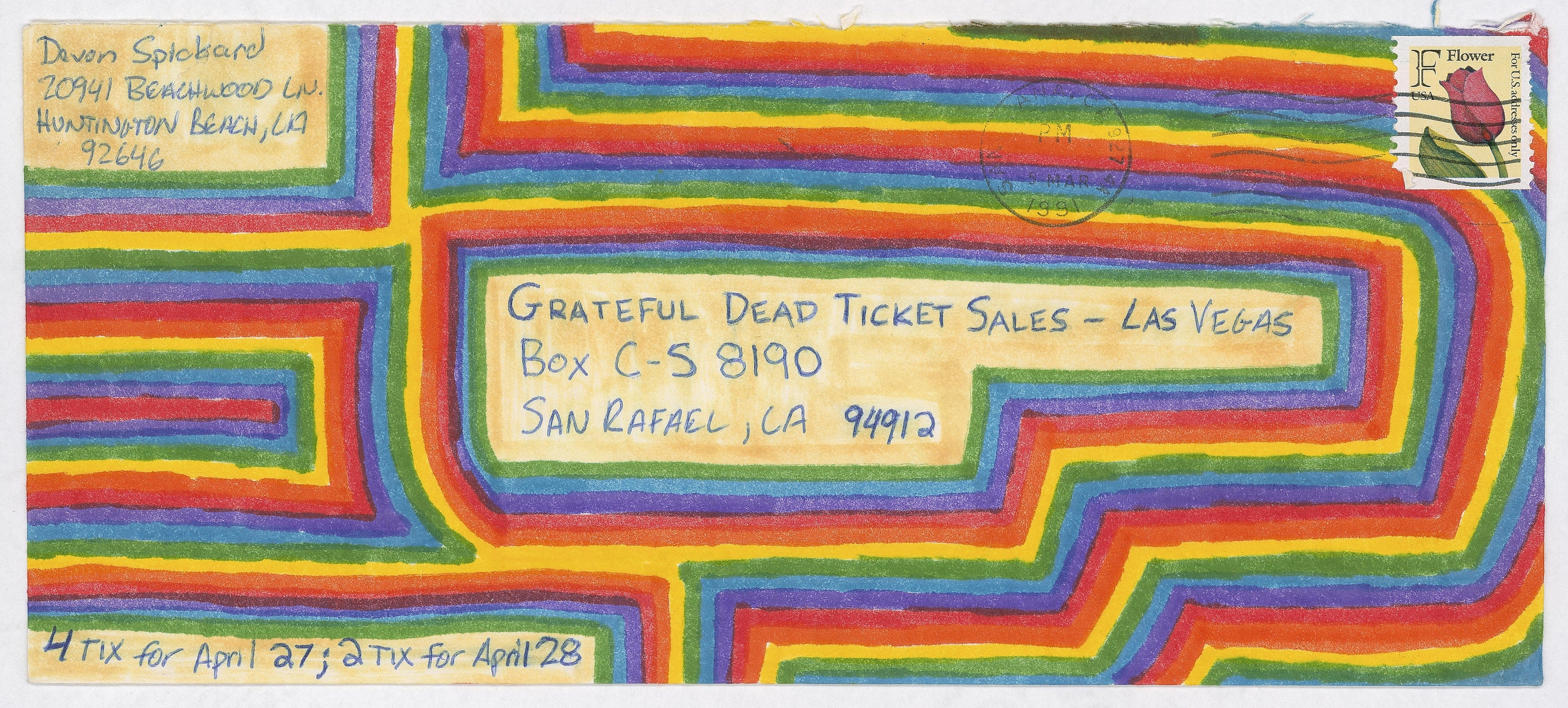
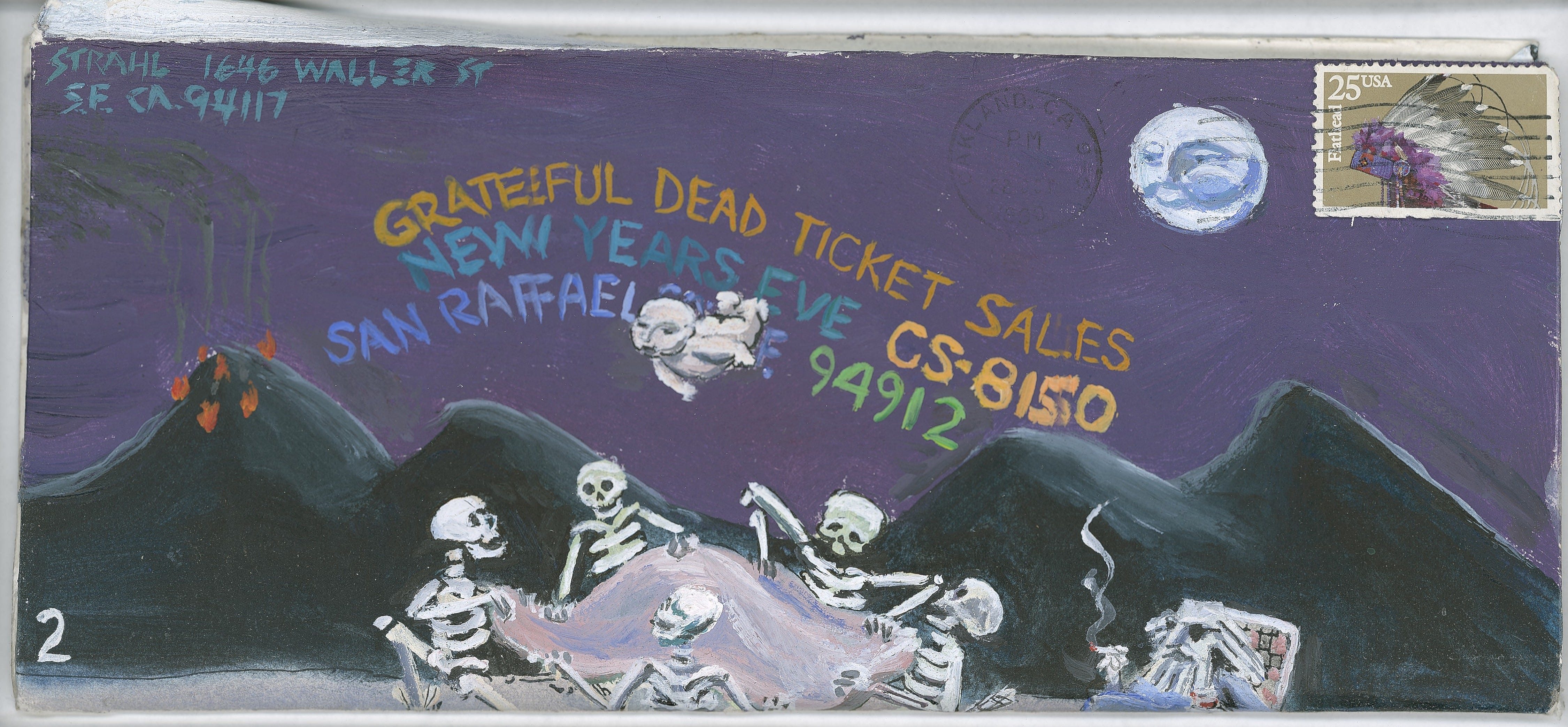
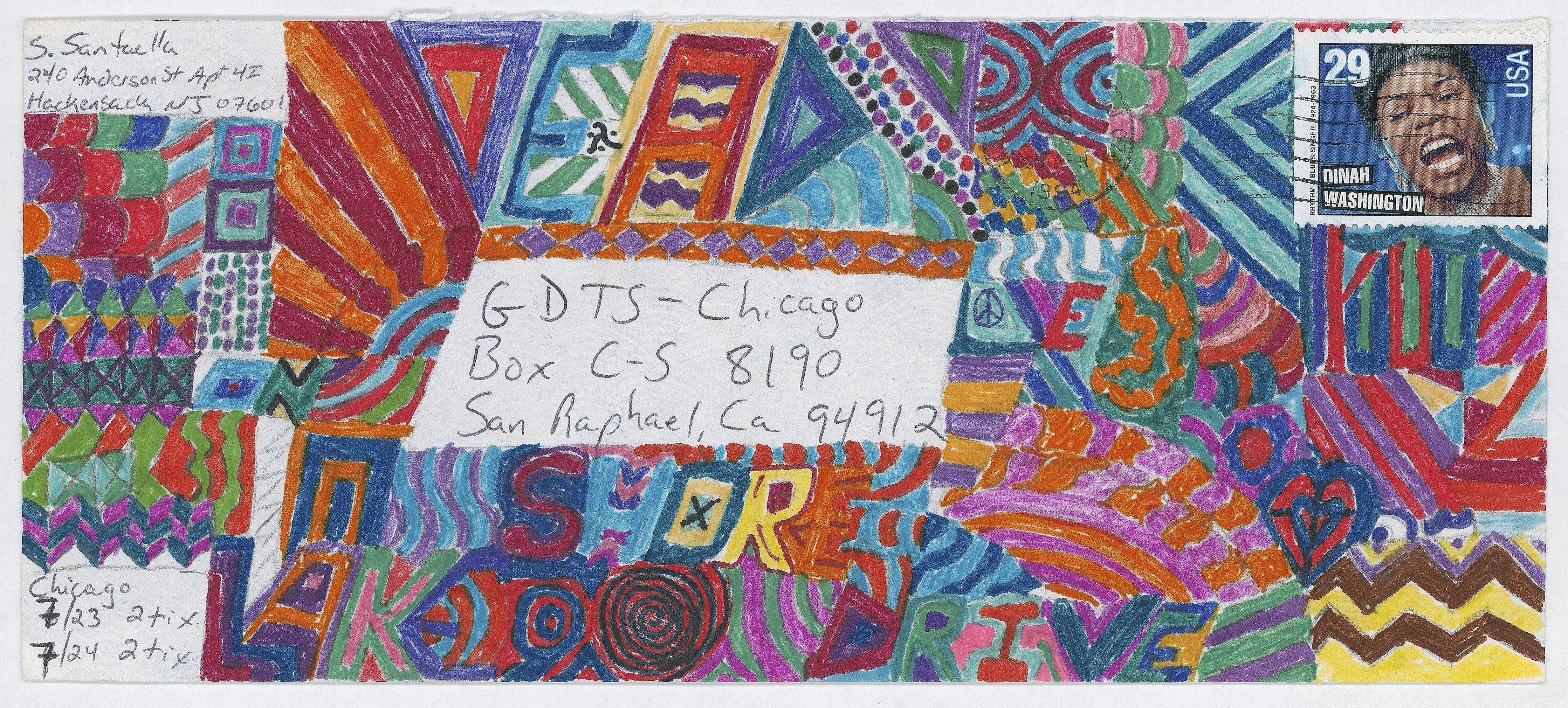
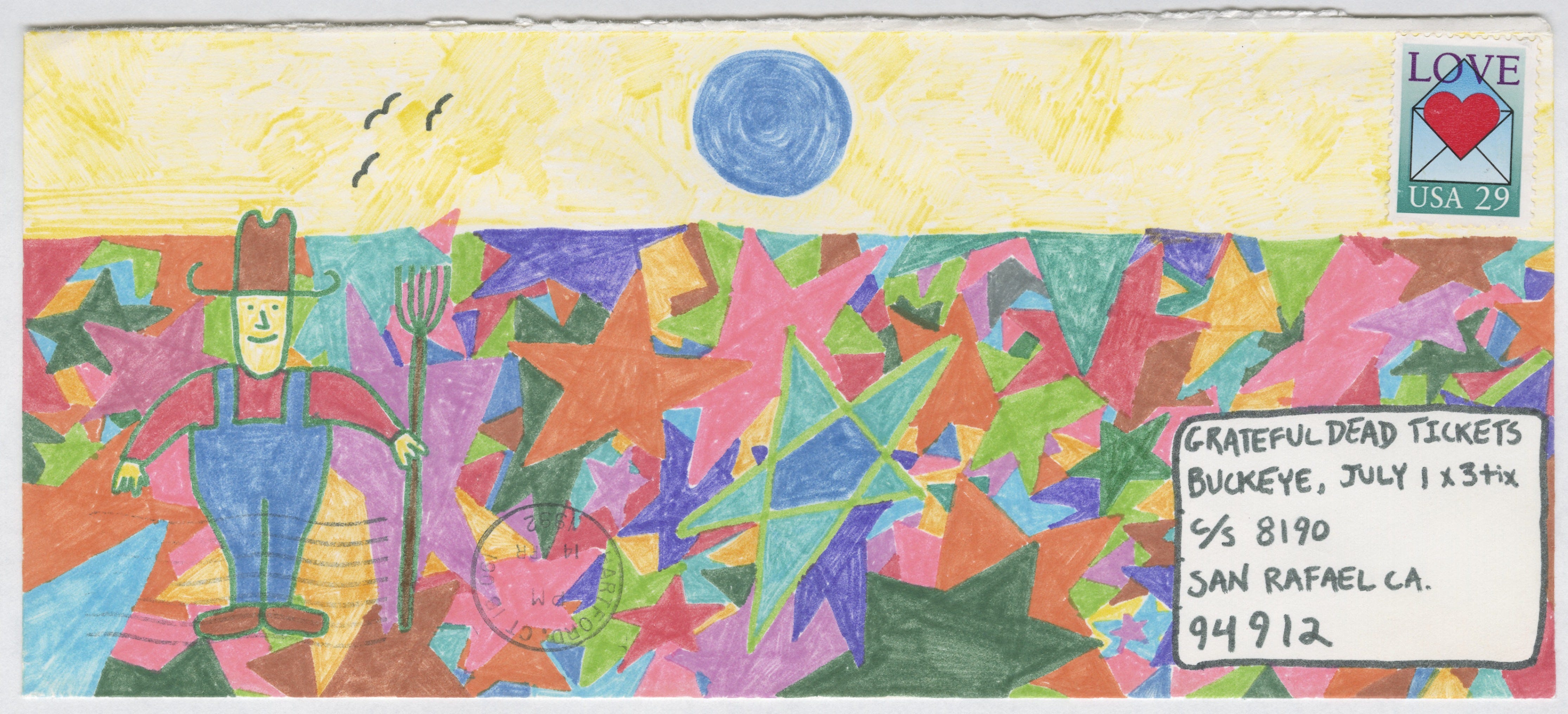
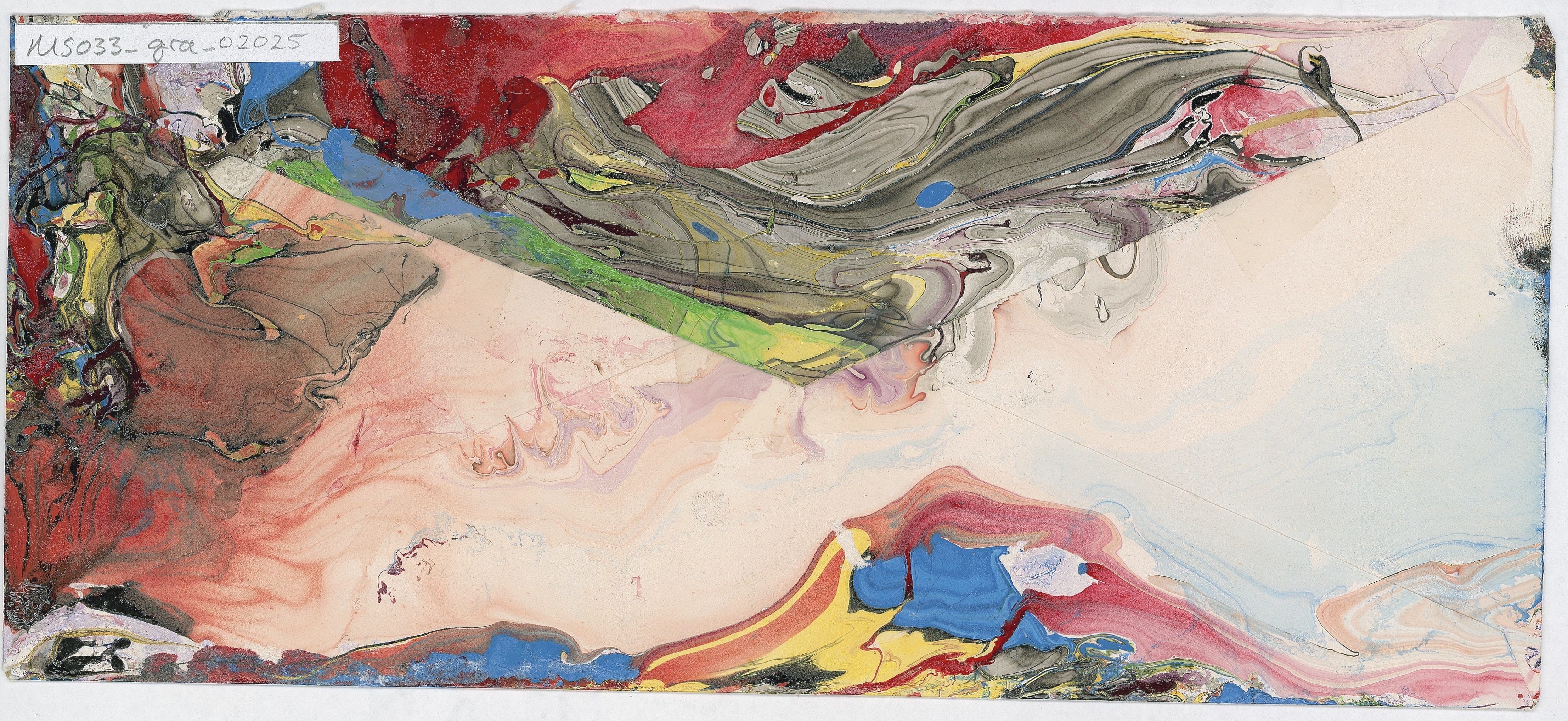
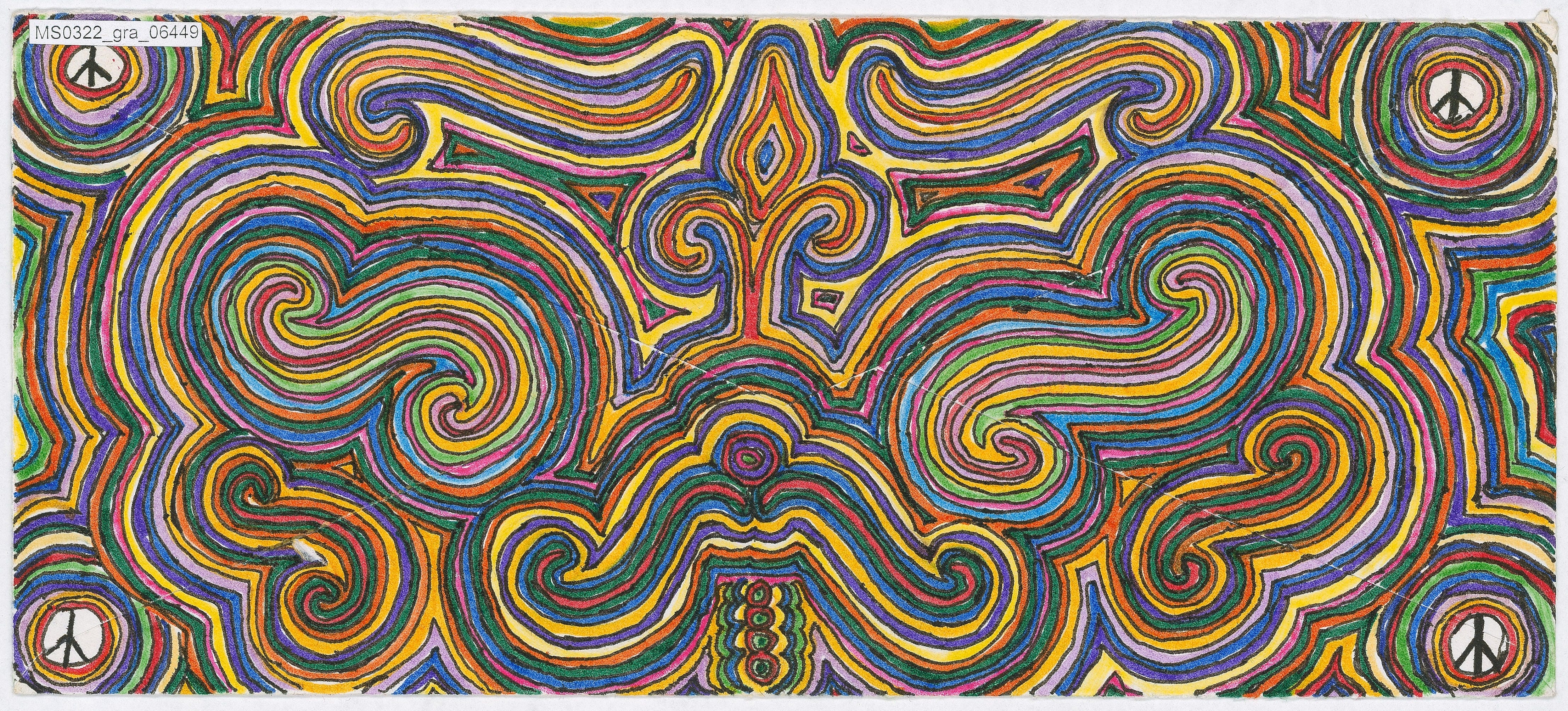
Years ago, we found and fell into a deep and colourful hole digging through the Grateful Dead Archive Online’s massive collection of almost 15,000 envelopes artfully decorated by fans of the band.
The Grateful Dead are possibly most known for the dedication of their fans, some of whom followed them from tour to tour for many years. Not just concert-goers but people devoted to a culture — even a way of life.
We aren’t deadheads by any means. There have been occasional listens to Ripple or Box of Rain in our household but the appeal of this archive has less to do with the band and more to do with the thrill of the collected visual passion of their fans.
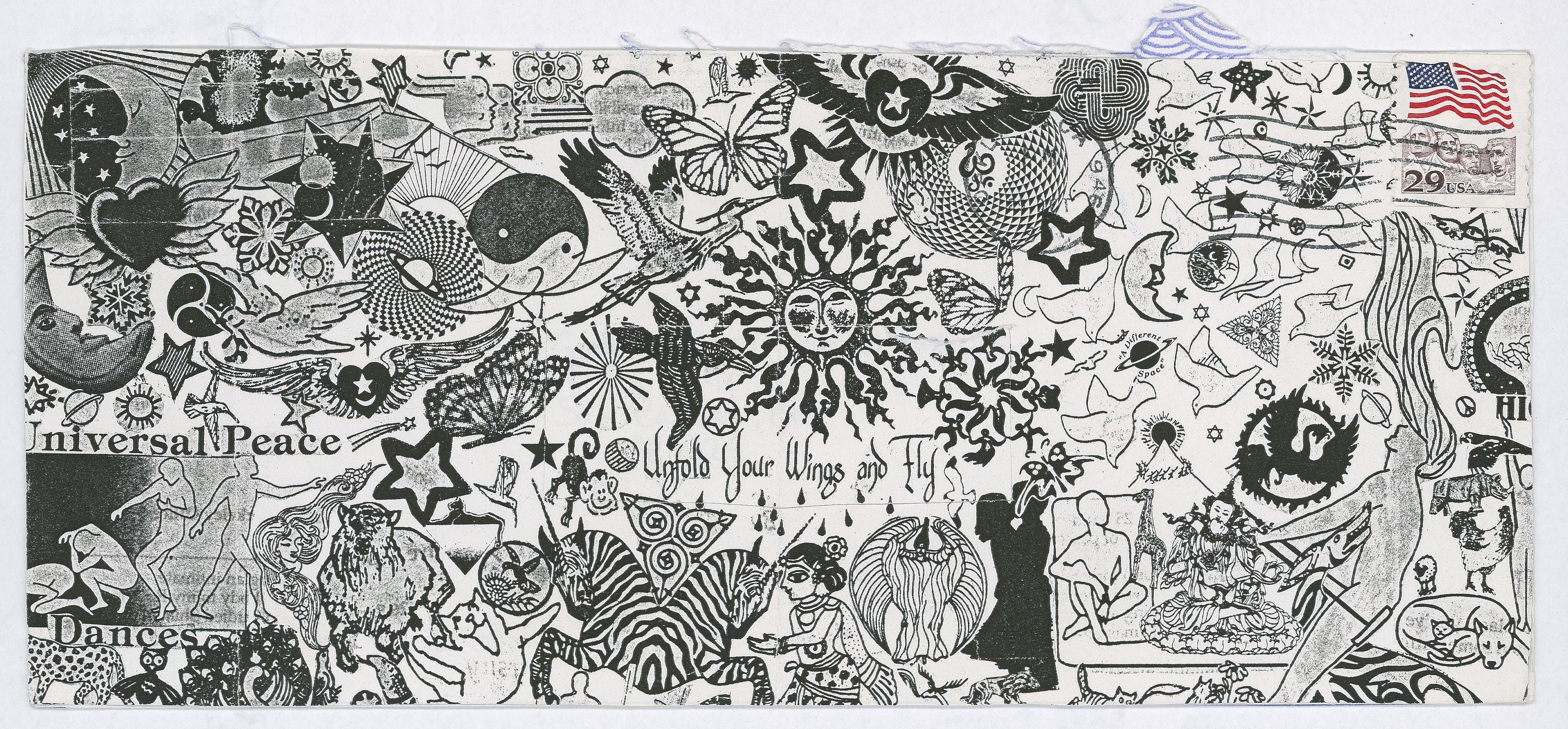
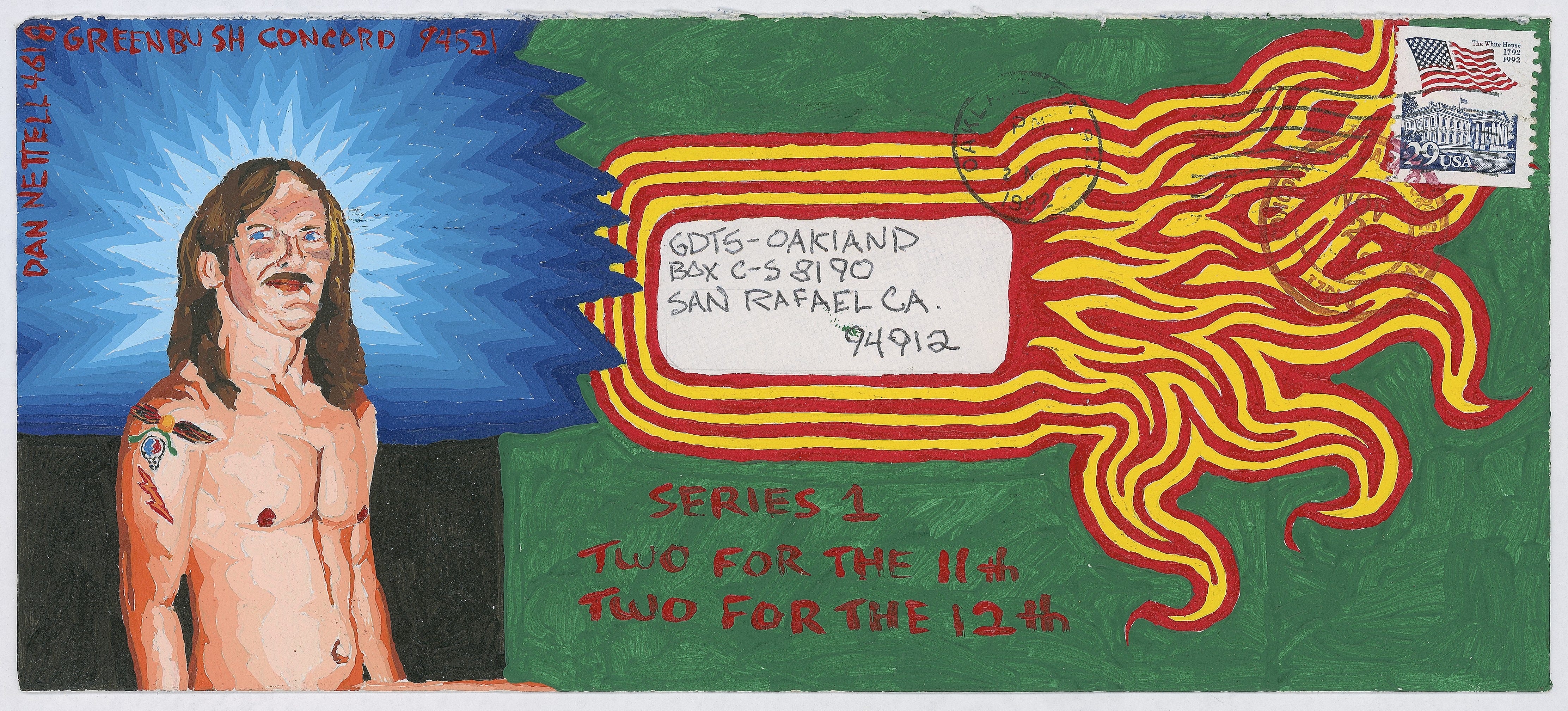
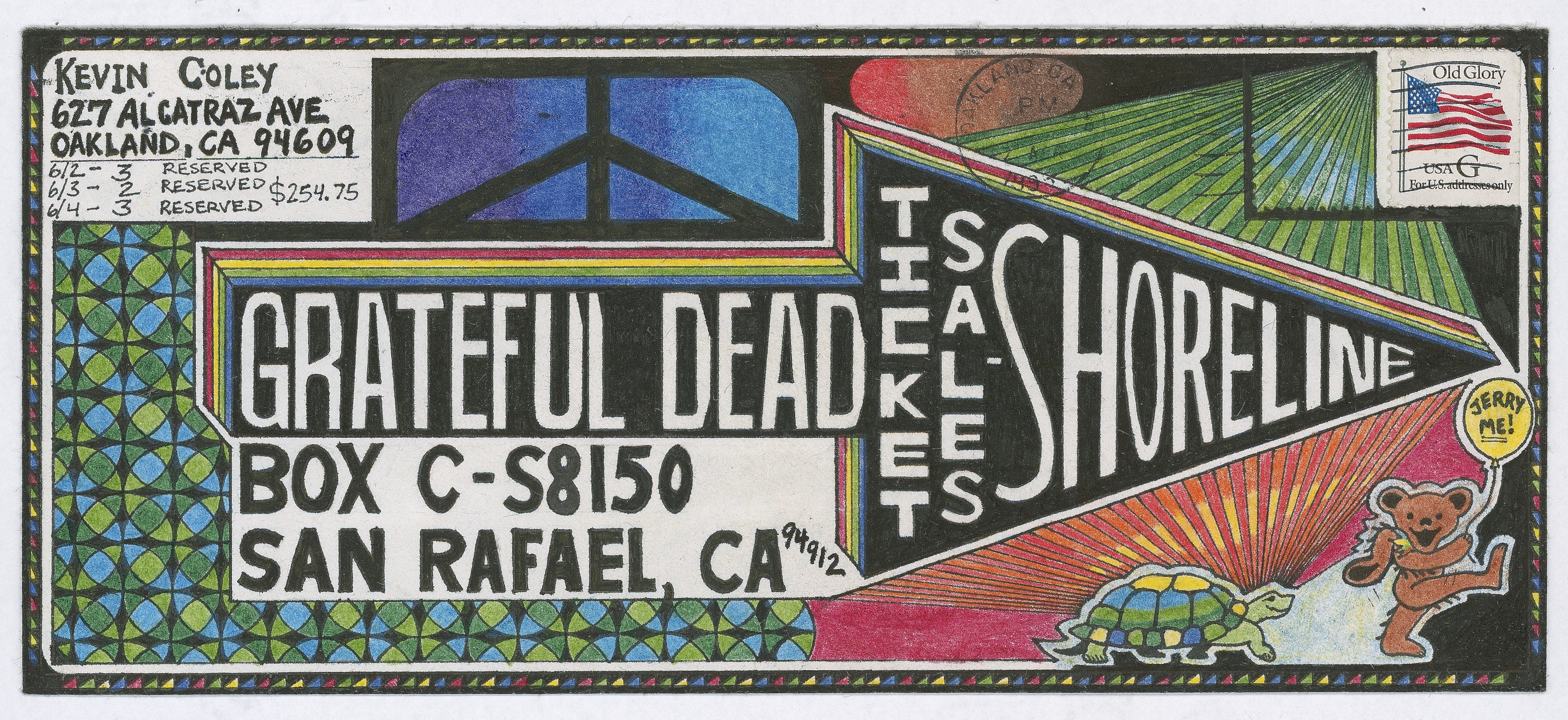
As highly visual people, the artistic range of the envelopes in the archive is amazing.
Motifs run the gamut from popular band iconography such as dancing bears, roses, and the red/blue the Steal Your Face skull — to abstracts, landscapes, painted rainbows, collage, flying eyeballs, and other vibrant and mind-warping psychedelia.
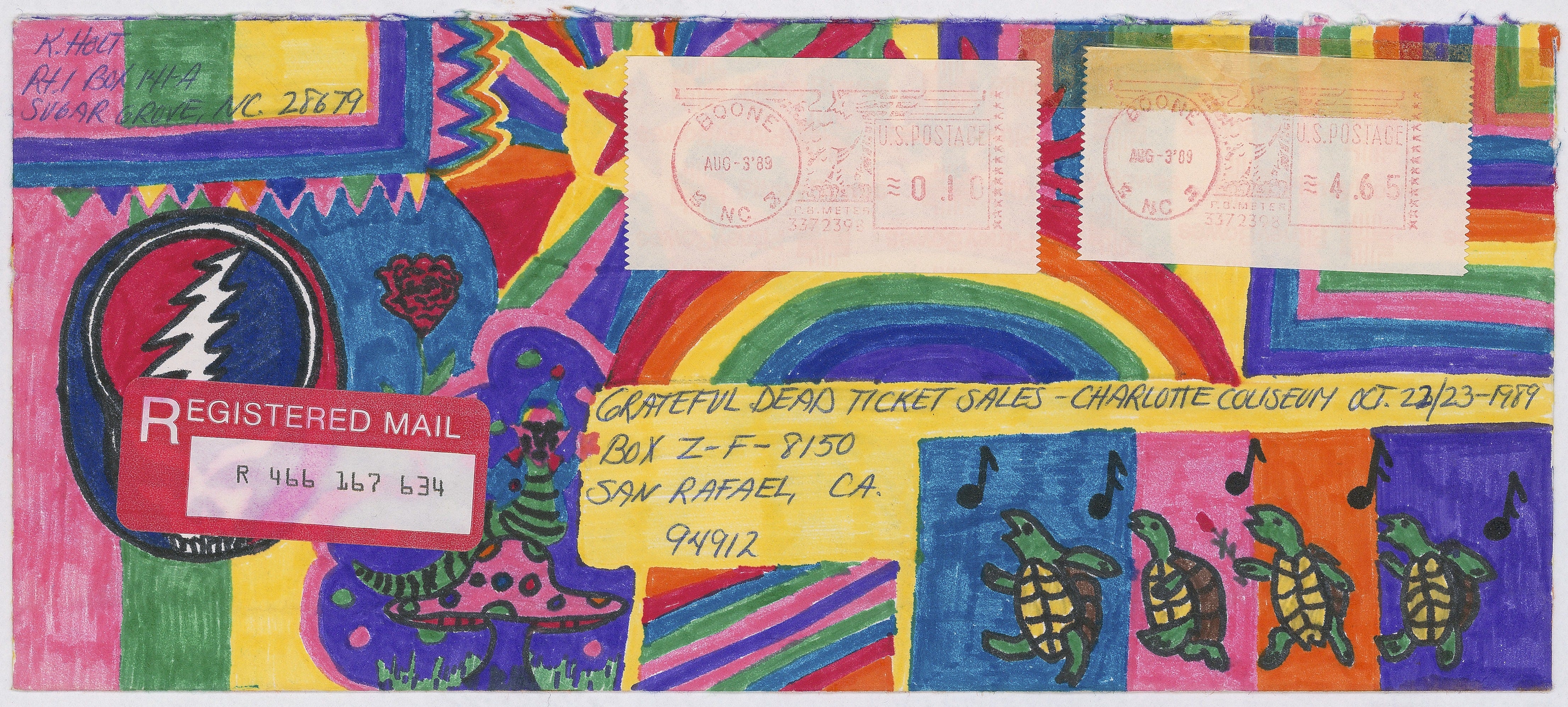
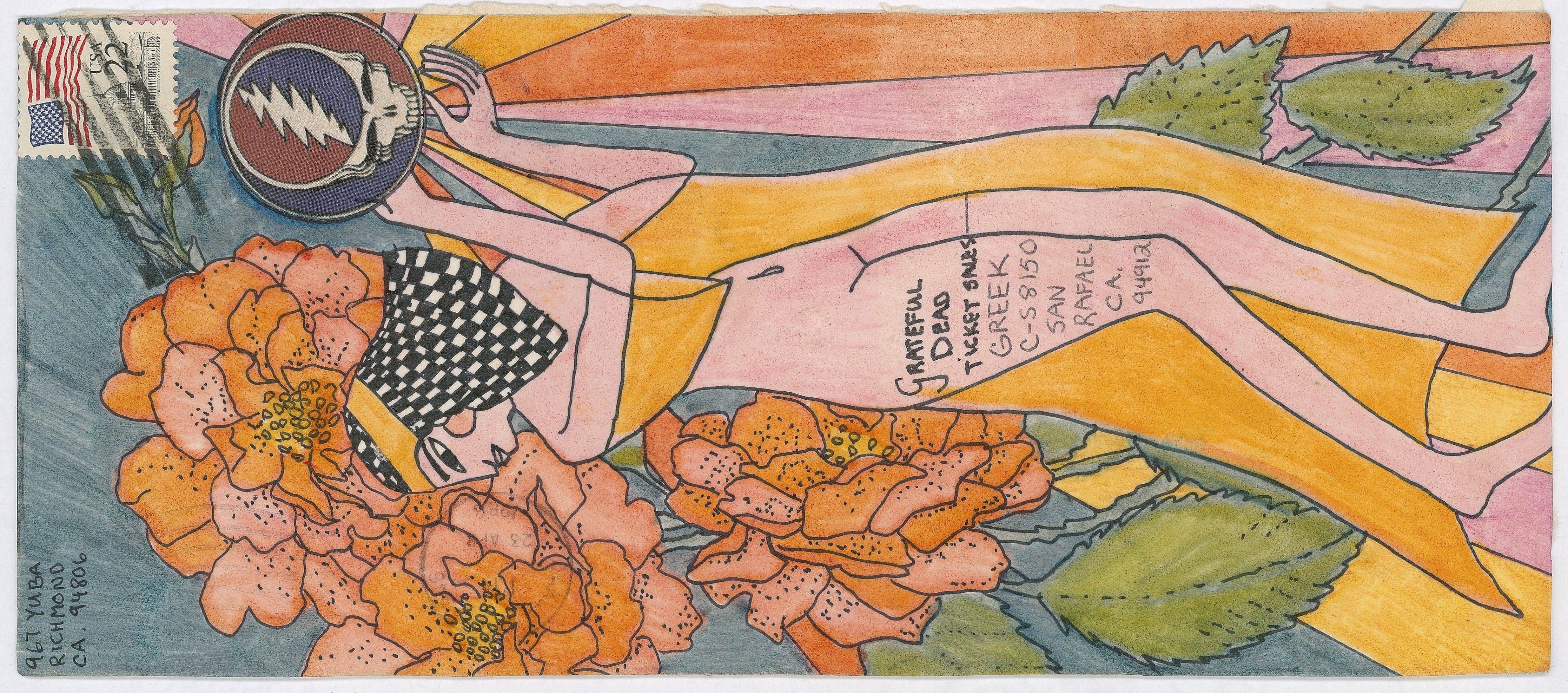
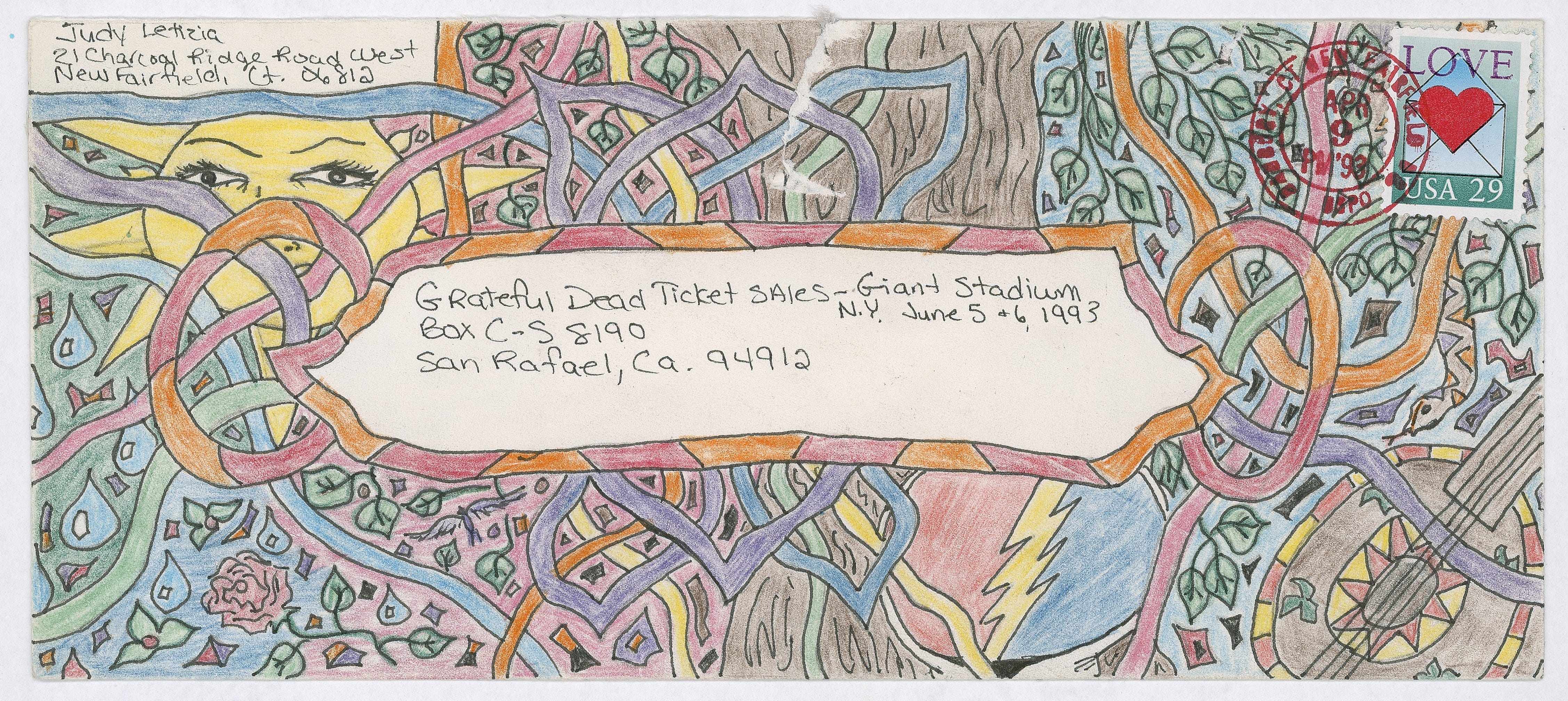
There’s something about those caring and careful people out there that do the invariably ill-rewarded work of compiling and maintaining archives. It’s a topic we will definitely return to here at Much Quality.
Archives aren’t just about preservation. Archivists may have their own needs, reasons, or manias behind the collections they maintain, but the heart of every archive is the desire to share and connect.
The Grateful Dead Archive Online (GDAO) is a socially constructed collection comprised of over 45,000 digitized items drawn from the UCSC Library's extensive Grateful Dead Archive (GDA) and from digital content submitted by the community and global network of Grateful Dead fans.
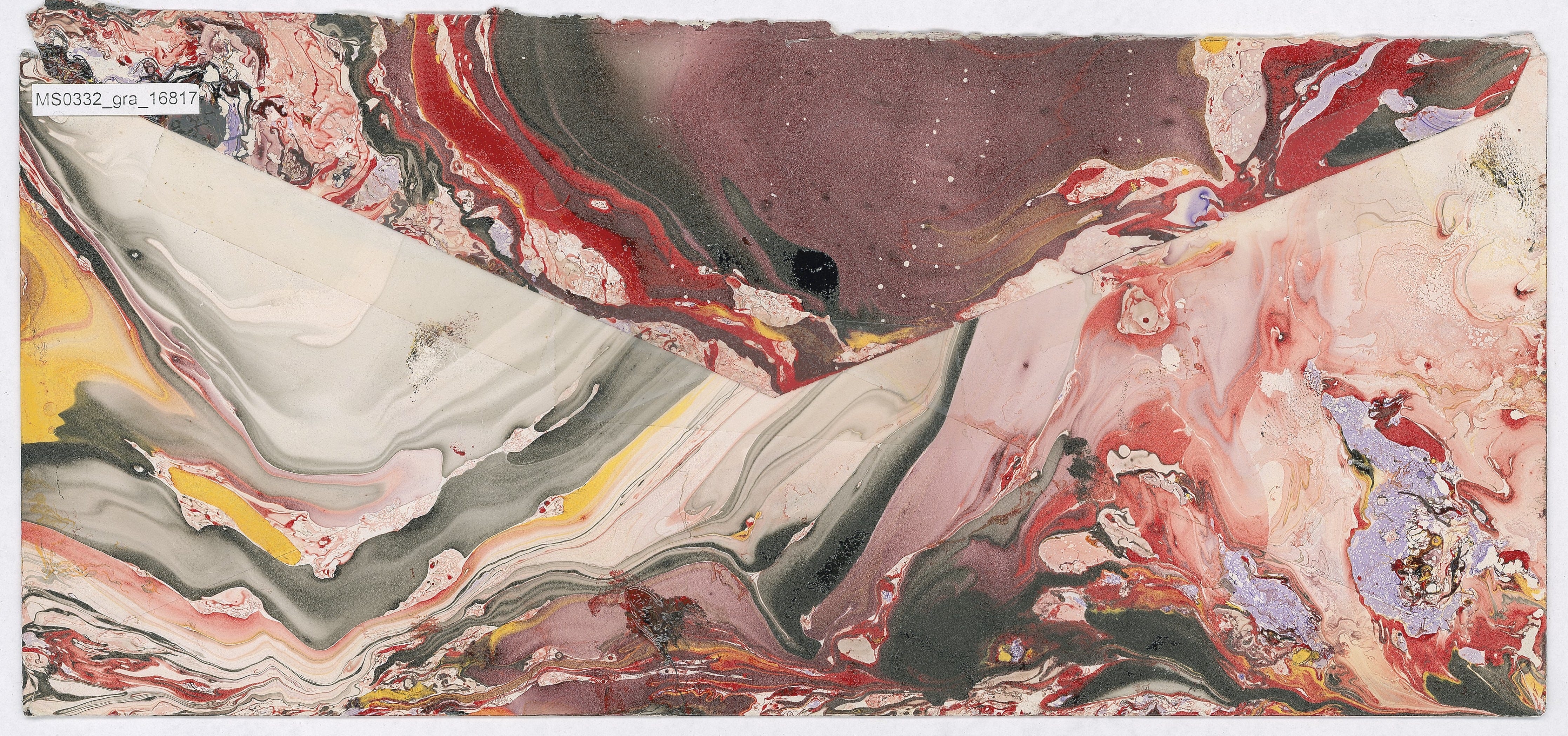
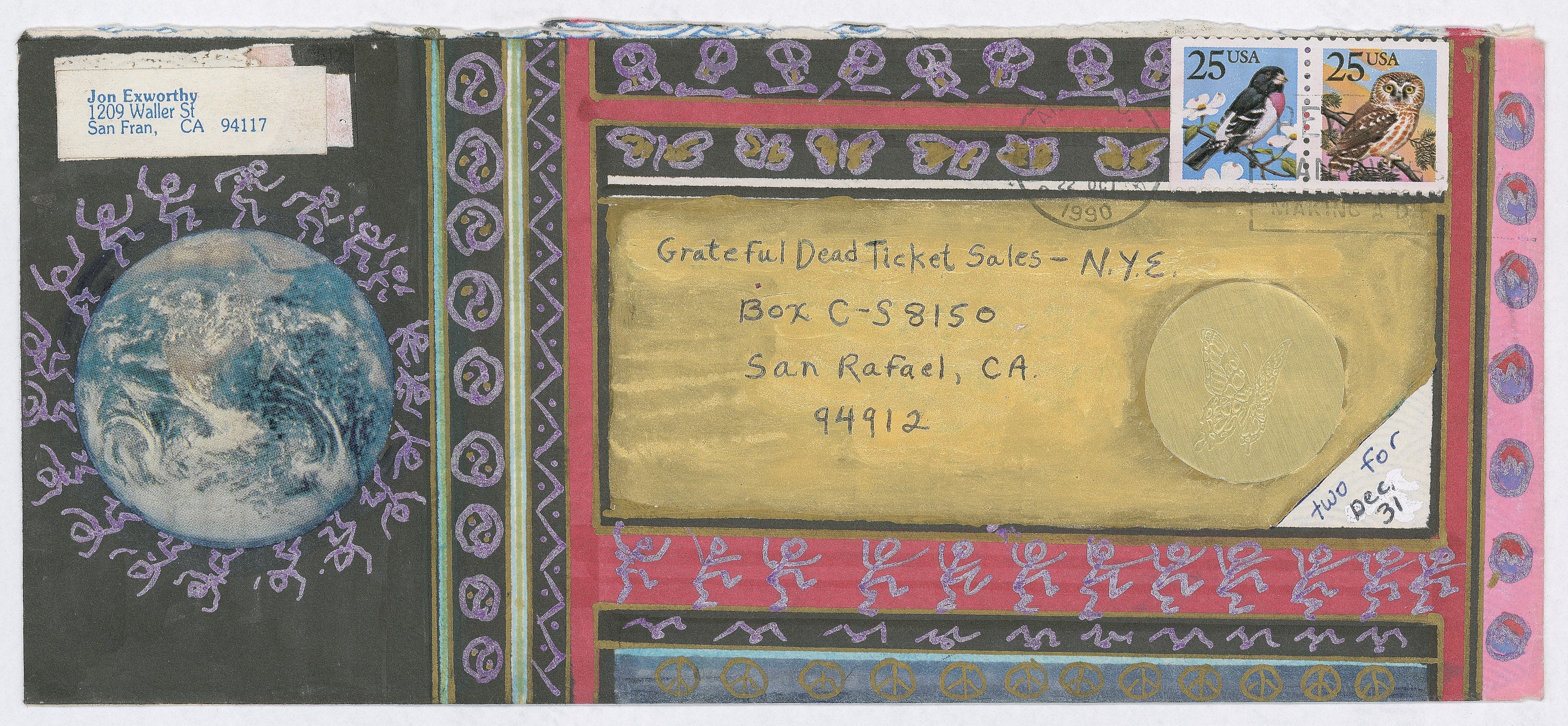
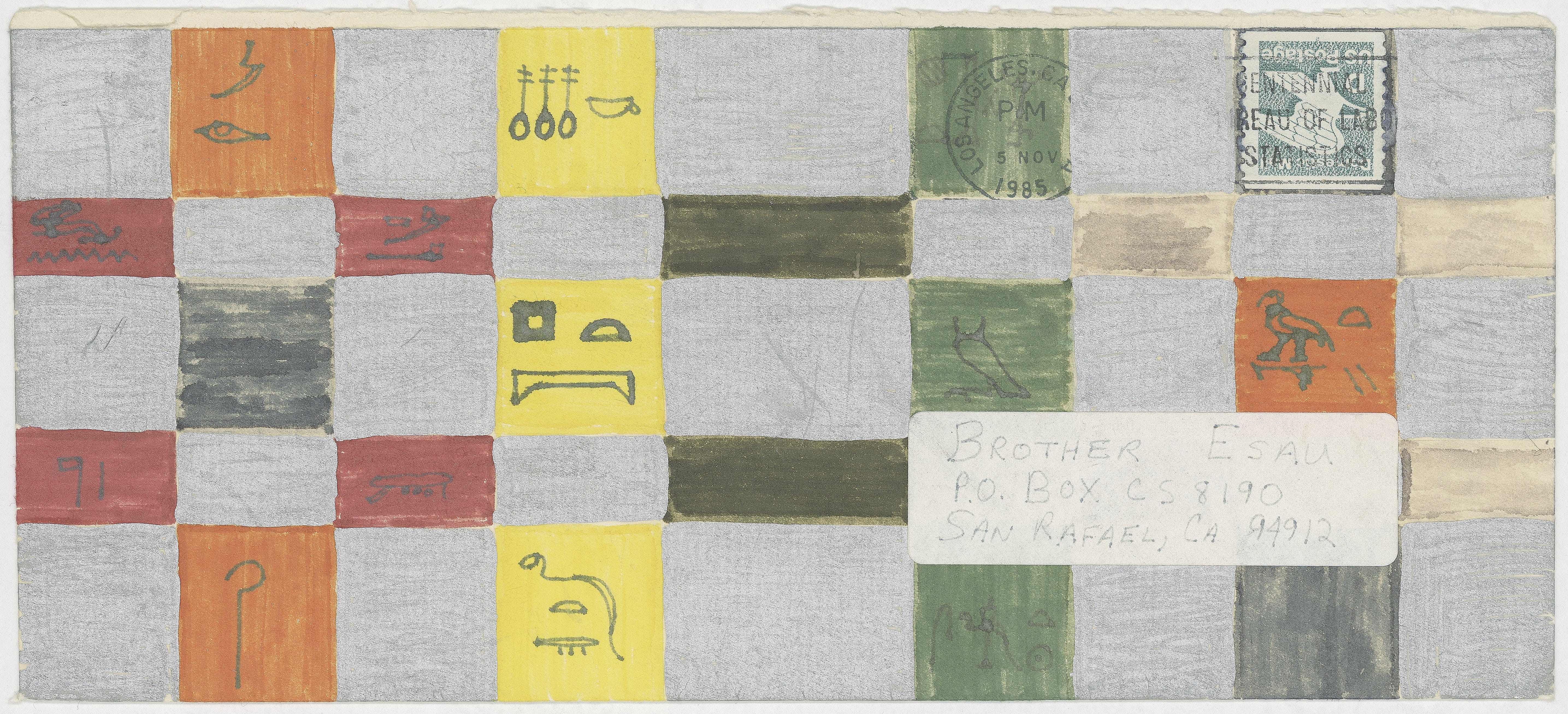
There is also that compelling aspect of “regular people” making art. Not in the sometimes mocking tone that can be applied to amateurs, but the way that someone can make wonderful things unburdened by titles or assumed professional merit. It’s all still art in the end.
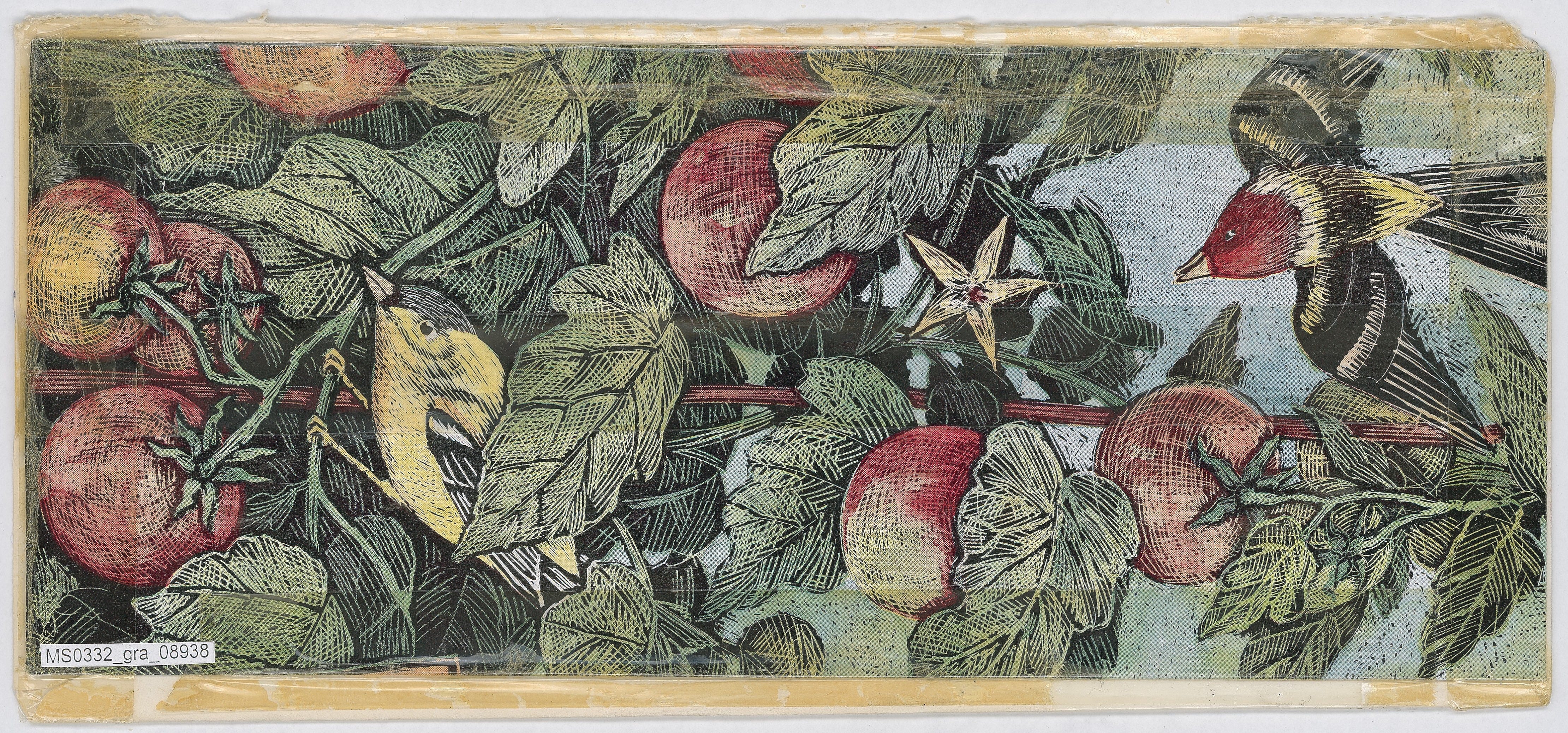
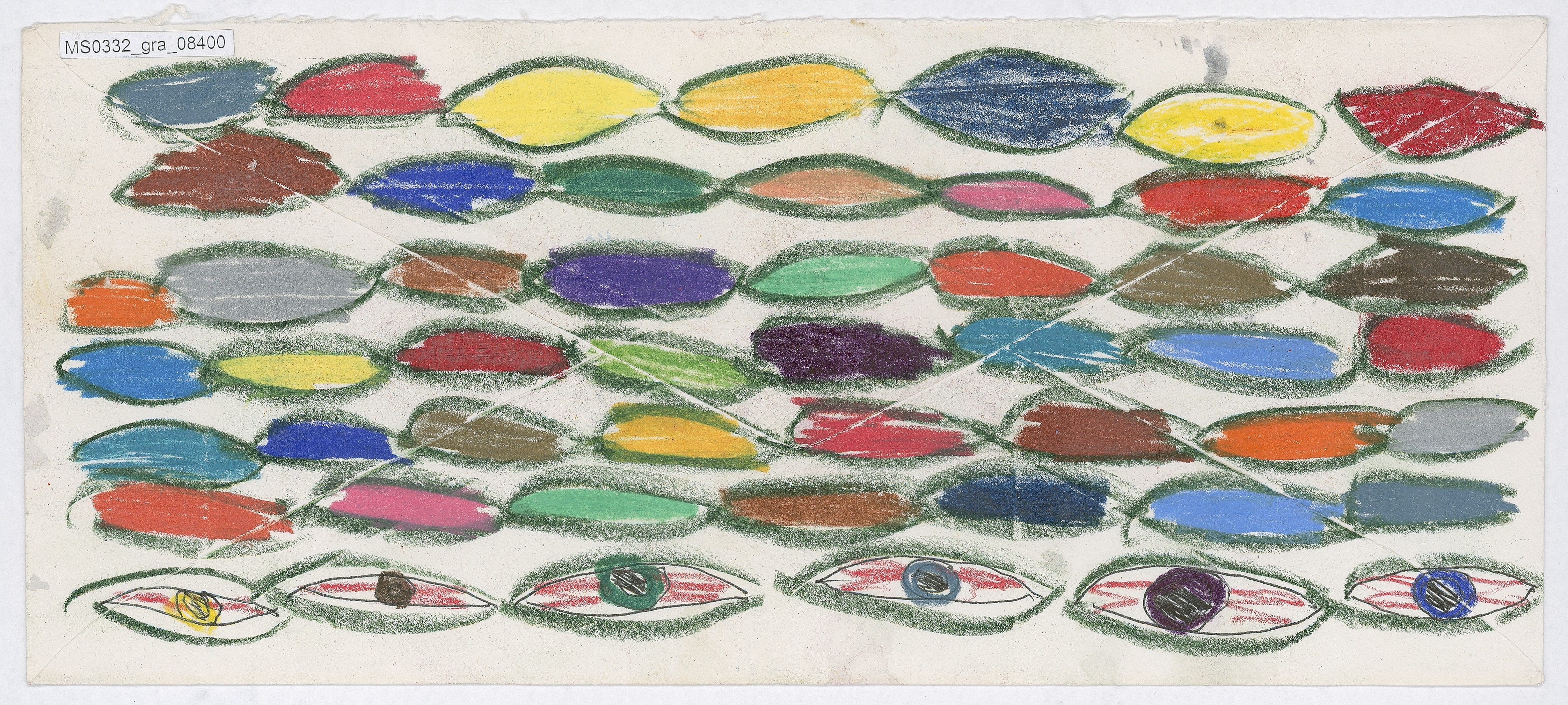
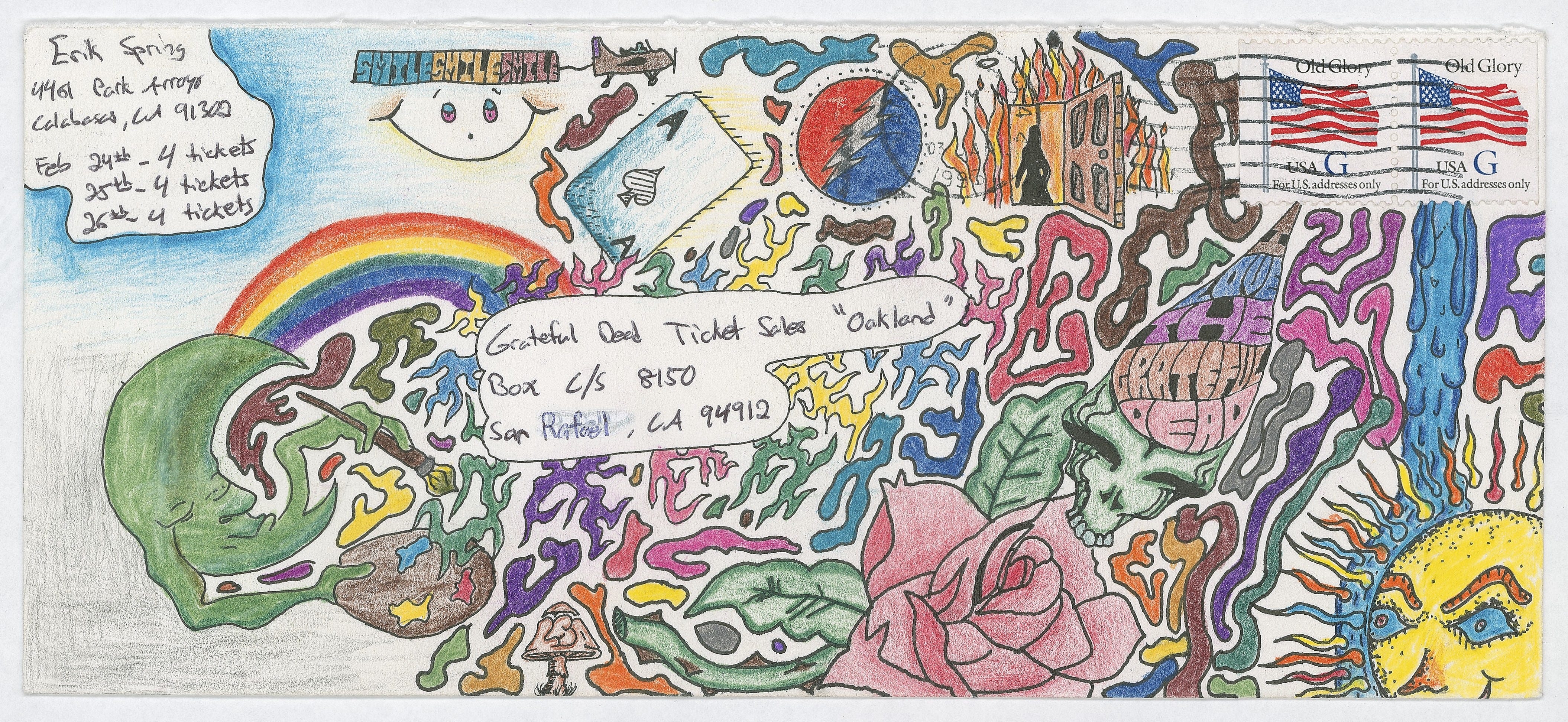
And then there’s all of the fascinating things that come out of subcultural spoken and visual language. The shared symbols, words, people, and places that connect people who may never meet. The networks formed from mailing lists (the postal kind), fanzines, gatherings, concerts, and more introduce people to each other by highlighting the artists, hobbies, and shows they are all “fans” of.
That’s why public archives are so great because they open these networks up to outsiders. There is a chance for people like us to share in the culture even if it’s at a distance.
The internet has done something funny to subcultures and fandom. It could be said that subcultures barely exist anymore or at least that because of the reach and rapidity of the web, they become so vast that it’s hard to think of them as “sub-“. But they also feel thinner and less dedicated a lot of the time. GIF meme and “brain rot” subcultures have shared symbols and language but far less in the way of connection. Almost a disavowal of personal connection sometimes bordering on nihilism.
But still, there is genuine sharing going on digitally and in person and people still start and maintain archives based on their passion to foster, protect, and expand those cultural phenomena that made them feel like part of something bigger.
We would love to hear from people about the archives they have discovered or participated in. Or tell us about the subcultures you felt a part of — that connection in person or at a distance that created a community for you.
I wanted to add that when I read Davin’s inclusion about subculture, I immediately thought of a book worth reading on the subject called, Subculture: The Meaning of Style by Dick Hebdige. Written in the late 1970s, the book is about how subcultures are formed, the roles they perform in society, particularly as a counter to the mainstream.